
“Losing salt feels like losing the joy of life, doesn’t it?”
When diagnosed with hypertension, “low-sodium diet” is often the hardest part. Giving up the bold flavors we love feels impossible. But it’s not about deprivation; it’s about strategy. Today, we’ll learn how to keep your meals delicious while keeping your blood pressure in check.
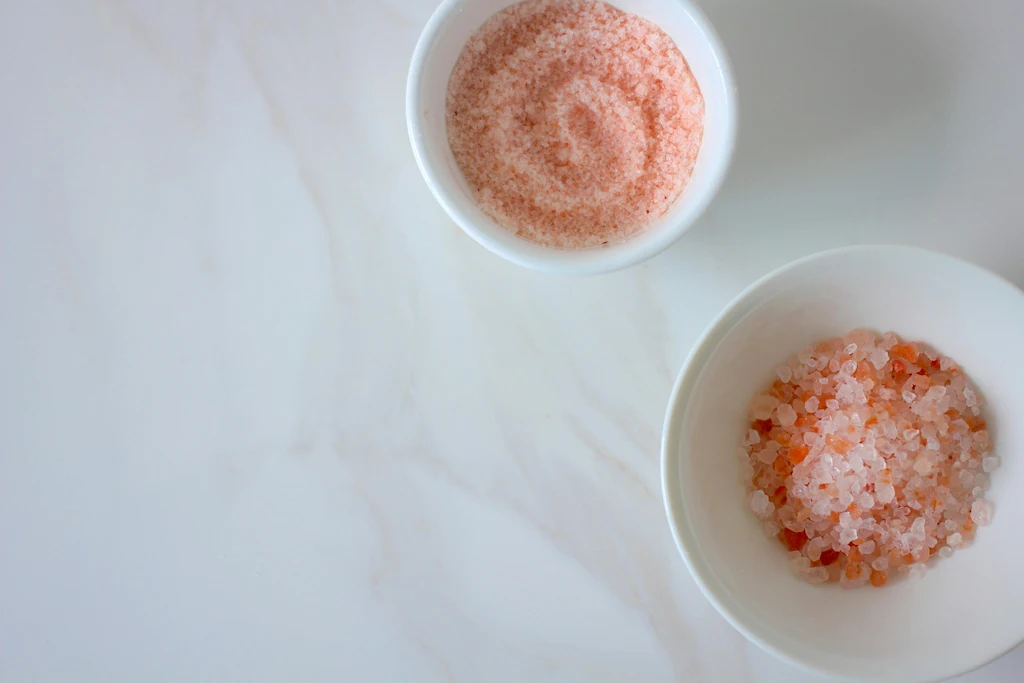
The Science: Salt and Your Vessels
Excess sodium pulls water into your bloodstream to dilute the concentration.
- Increased Volume: Like a pipe under too much pressure, your blood vessels struggle with the increased fluid.
- Vessel Fatigue: Over time, this constant pressure makes artery walls stiff and fragile.
3 Secrets to Flavorful Low-Sodium Cooking
- Rediscover Acidity: A squeeze of lemon or a dash of vinegar at the end of cooking can enhance the perception of saltiness, allowing you to use much less.
- Go Bold with Aromatics: Use plenty of garlic, ginger, onion, and black pepper. Strong aromas trick your brain into feeling satisfied even with less salt.
- Umami Power: Mushrooms and dried seaweed create a “savory” taste that compensates for missing sodium.
The “Sodium Sweepers” (Potassium-Rich Foods)
If you’ve had a salty meal, focus on flushing it out with potassium:
- Bananas & Sweet Potatoes: Great snacks that actively help sodium exit your body.
- Leafy Greens & Tomatoes: These help relax blood vessels and balance sodium levels.
Survival Guide for Dining Out
- Don’t drink the broth: Most of the sodium in soups and stews stays in the liquid. Eat the solids and leave the soup behind.
- Sauce on the side: Dipping your food (instead of pouring sauce over it) significantly reduces sodium intake.
- Check the Label: Look for “Low Sodium” options when buying processed foods like ham or canned goods.
Disclaimer: This content is for information only and not medical advice. Always consult a doctor before starting any new health routine. The author is not liable for any results from using this info.