
When you first hear that you need to watch your blood sugar, your mind might go straight to “I’ll never eat anything delicious again.” However, managing a diabetes-friendly diet isn’t about starvation; it’s about making smarter choices that nourish your body. Of course, changing lifelong eating habits is challenging, but once you understand the “why” behind food choices, it becomes much easier. That’s why today, we are going to look at your blood sugar allies and the hidden enemies you should be careful with.
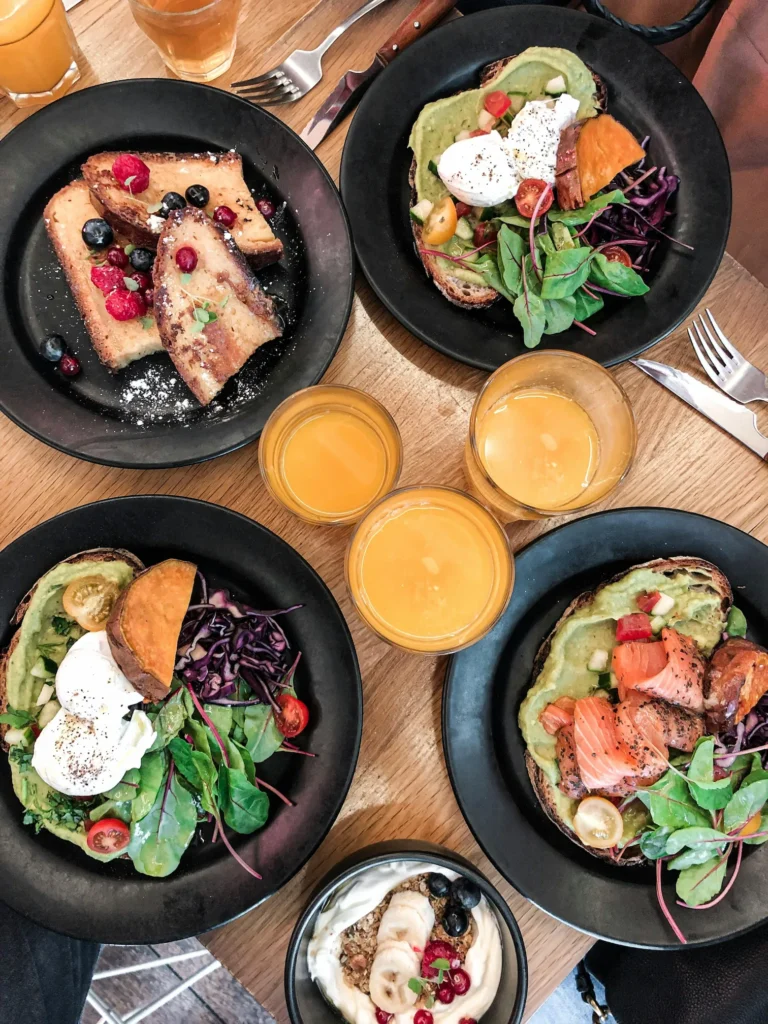
Wisdom for Your Plate
1. Your Reliable Allies: Foods That Lower Blood Sugar
First of all, the keywords to remember are ‘Fiber’ and ‘Slow.’ Foods that digest slowly are your best friends.
- The Power of Whole Grains: While white rice is a staple, it can be tough on your glucose levels. On the other hand, oats, brown rice, and quinoa are packed with fiber. Consequently, they slow down digestion and help you avoid those scary post-meal spikes.
- The Green Magic (Leafy Greens): Vegetables like spinach and kale are low in calories but high in magnesium. In fact, magnesium plays a crucial role in helping insulin do its job properly. Therefore, starting your meal with a big bowl of greens is a fantastic habit.
- Heart-Healthy Fatty Fish: Salmon and mackerel provide Omega-3 fatty acids. Moreover, the high-quality protein helps maintain muscle mass, which is essential for burning glucose efficiently.
2. The Red-Flag Foods: What to Watch Out For
On the flip side, there are foods that can sabotage your progress. Generally, anything refined or processed should be approached with caution.
- Liquid Sugars (Soda and Fruit Juices): Since liquids require no chewing, the sugar hits your bloodstream instantly. In other words, drinking soda is like pouring sugar directly into your veins. If possible, reach for sparkling water with a squeeze of lime instead.
- The “White” Trap (Refined Carbs): White bread, pasta, and pastries lack the fiber needed to slow down sugar absorption. Because of this, they cause your glucose levels to skyrocket almost immediately after eating.
- The Hidden Trap, Dried Fruits: Dehydrating fruit concentrates the sugar. For example, a handful of raisins can contain as much sugar as a much larger portion of fresh grapes, making it easy to overconsume sugar accidentally.
3. Practical Tip: The Golden Sequence of Eating
Furthermore, the order in which you eat can be just as important as the food itself. Simply put, try this sequence to flatten your glucose curve:
- Vegetables (Fiber) first to create a buffer in your gut.
- Protein (Meat/Fish) to keep you feeling full.
- Carbohydrates (Rice/Bread) last and in smaller portions. By doing this, you naturally slow down the absorption of sugar into your system.
Conclusion
Ultimately, a diabetes diet is about replacement, not deprivation. Swapping sugar for natural sweeteners or white rice for brown rice are small steps that lead to big results. Granted, there will be days when cravings are hard to resist. However, by following these principles most of the time, you will feel more energetic and in control. Remember, your daily choices are the best medicine for a healthy future!
Disclaimer: This information is for educational purposes only and is not a substitute for professional medical advice. Please consult a healthcare provider for diagnosis and treatment.